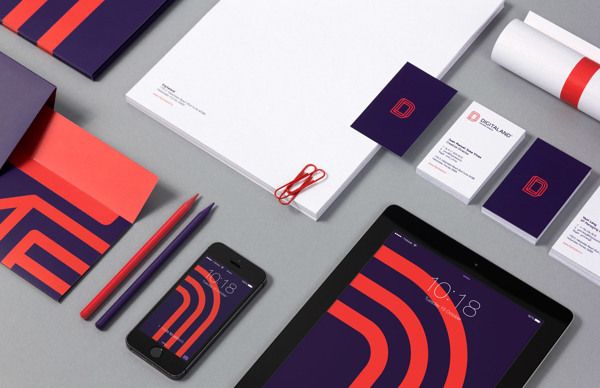

In the digital era, a strong online presence is essential for professionals in creative fields. As per Ali Ata, managing a digital identity allows designers to showcase their work, engage with communities, and establish credibility. Digital platforms provide the tools to share portfolios, communicate ideas, and connect with collaborators worldwide, making it possible to reach audiences far beyond local networks. This digital connectivity enables designers to expand their influence, learn from international trends, and participate in global conversations about design and innovation.
A digital identity is more than just a profile; it reflects expertise, style, and professional philosophy. Designers who strategically use social media, professional networks, and personal websites gain visibility and can attract opportunities that align with their creative vision. A carefully curated online presence helps communicate the designer’s unique perspective, enhances professional reputation, and opens doors to collaborations and recognition. It also provides an avenue for continuous learning, feedback, and evolution of professional practices, allowing designers to remain adaptive and innovative in a fast-changing industry.
Building a Strong Online Presence
Key steps to establishing a strong digital identity include:
- Portfolio Management: Regularly update online portfolios to highlight projects, achievements, and skills, providing a clear narrative of professional growth and evolution.
- Social Media Engagement: Share insights, updates, and projects to maintain active engagement with audiences while demonstrating expertise, creativity, and personality.
- Networking: Connect with peers, mentors, and potential clients to expand influence and opportunities within and across industries, building relationships that support career growth.
- Thought Leadership: Publish articles, participate in discussions, and provide expertise to establish authority and contribute to the broader professional conversation.
- Consistency: Maintain a consistent brand across all digital channels, reflecting style, tone, and professional values to reinforce recognition, credibility, and trust.
- Content Diversity: Share various types of content including case studies, behind-the-scenes insights, and professional reflections to keep audiences engaged and informed.
The Role of Personal Branding
Personal branding differentiates a designer in a competitive market. A clear and authentic digital identity enhances credibility and helps communicate the unique approach of a professional. As per Ali Ata, this includes visual branding, content style, and professional narratives that resonate with target audiences. Effective personal branding conveys not only what a designer does, but also why and how their approach is distinct, helping to establish a memorable presence that stands out in a crowded digital space.
Benefits of a Strong Digital Identity
A well-managed digital identity provides several advantages:
- Visibility: Increased exposure to potential clients, collaborators, and industry leaders, widening professional reach.
- Reputation: Builds trust and demonstrates professionalism, expertise, and reliability.
- Opportunities: Opens doors for collaborations, freelance projects, and career advancement across various platforms.
- Community Building: Enables engagement with a network of like-minded professionals, fostering learning, support, and knowledge exchange.
- Long-Term Growth: Helps maintain relevance in an evolving industry by allowing professionals to adapt their presence to emerging trends, technologies, and audience expectations.
Integrating a strategic digital presence with traditional professional efforts ensures that designers remain relevant and competitive in an evolving digital landscape. It positions them for sustained career growth, ongoing skill development, and long-term influence in their industry.
Looking Ahead
The future of creative professions will increasingly rely on digital identity management. Designers who effectively cultivate their online presence will have a competitive advantage, as their work and professional philosophy are visible to global audiences. By leveraging platforms for visibility, engagement, and networking, they can establish a professional identity that reflects both creativity and strategic thinking. As per Ali Ata, digital identity is not static; it evolves with trends, technology, and professional growth, and requires regular attention and adaptation.
Through thoughtful management of digital platforms, designers can communicate their vision, build meaningful connections, and position themselves as leaders in their field. Emphasizing authenticity, strategic engagement, and consistency ensures that a professional’s digital identity becomes a powerful tool for career advancement and creative impact, allowing professionals to leave a lasting impression on both audiences and the industry as a whole. Continuous refinement of online presence, along with active participation in professional communities, maximizes both influence and professional fulfillment.